You are currently viewing Juntos pela Saude Health Project expanded to Cuamba

Juntos pela Saude Health Project expanded to Cuamba

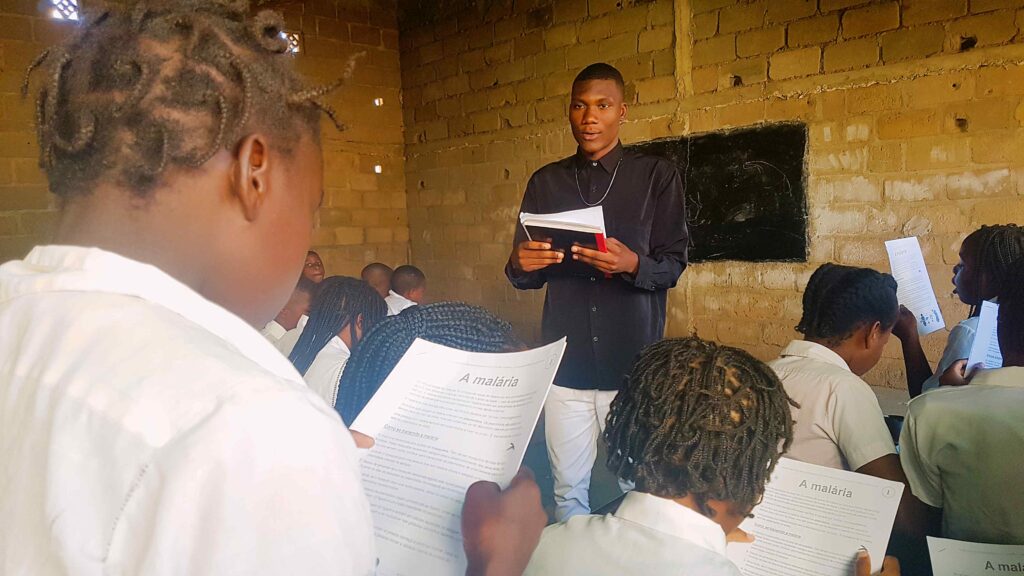
It’s a new school year in Mozambique and so a new cohort of students in Lichinga & Cuamba, northern Mozambique are learning about malaria and 13 others topics. 

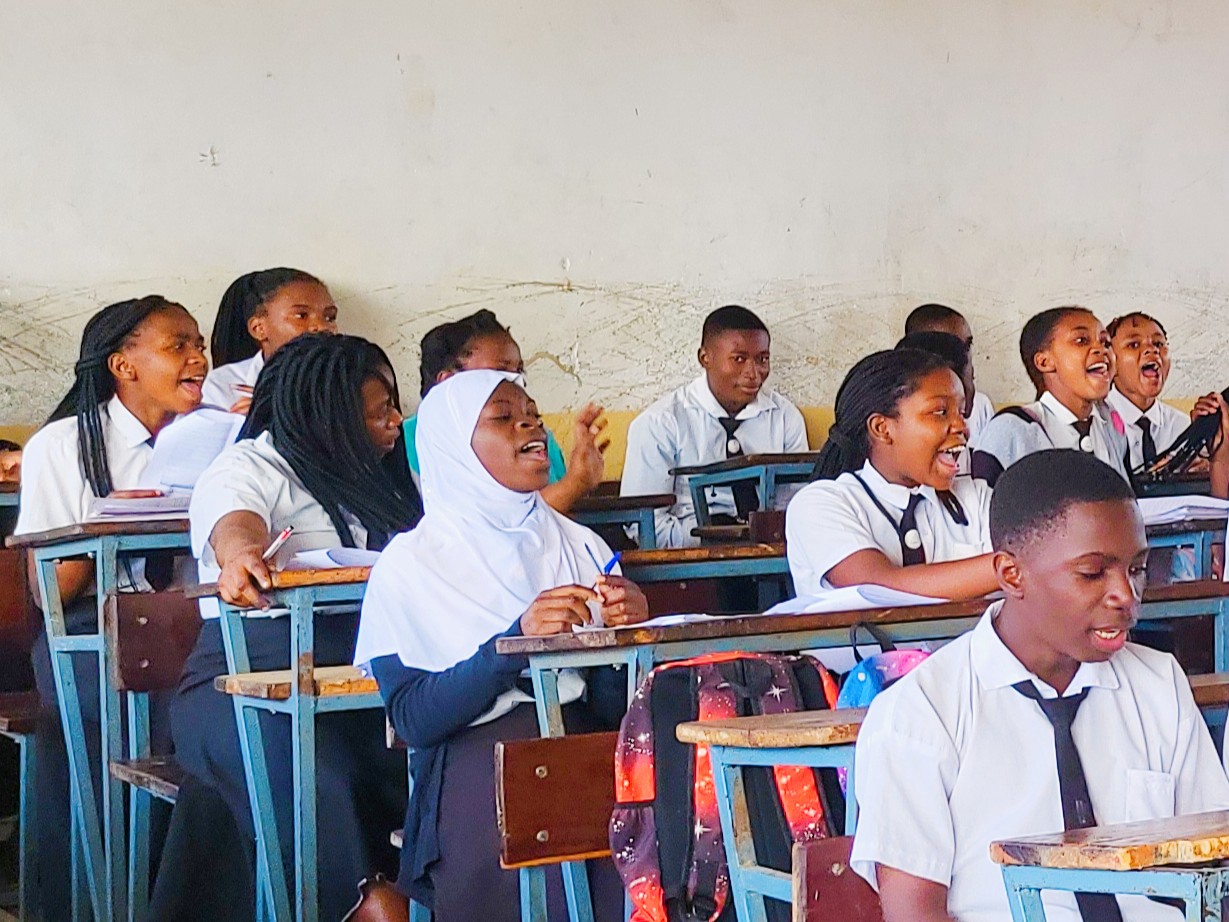
They learn this as part of the ‘Estudos para a Vida’ (EPAV) health programme, one of the elements of ‘Juntos pela Saude’ (JpS). EPAV works in secondary schools across Lichinga & Cuamba and in 2026, we will be working with 6,000 students covering 14 health topics in 18 schools.

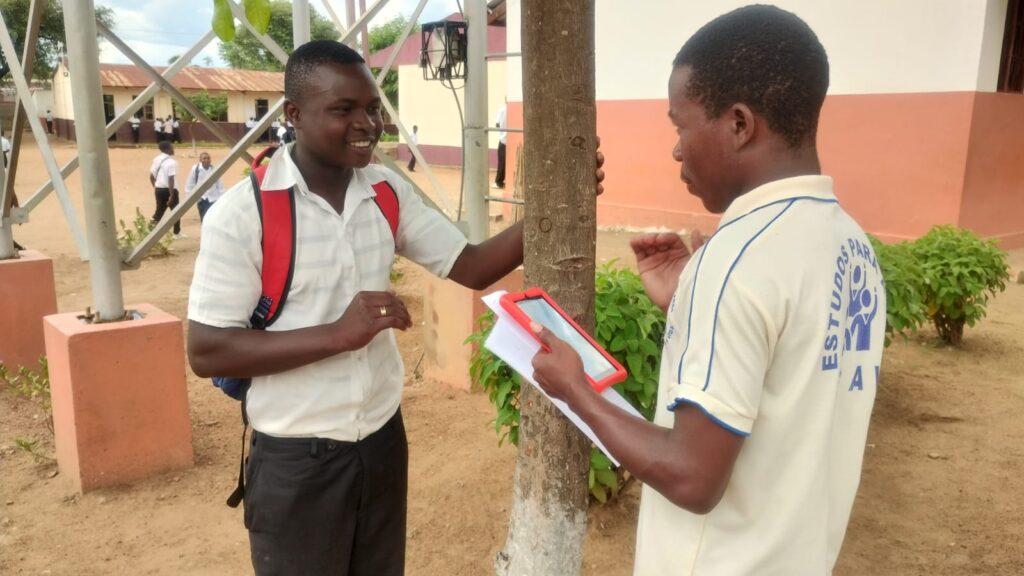
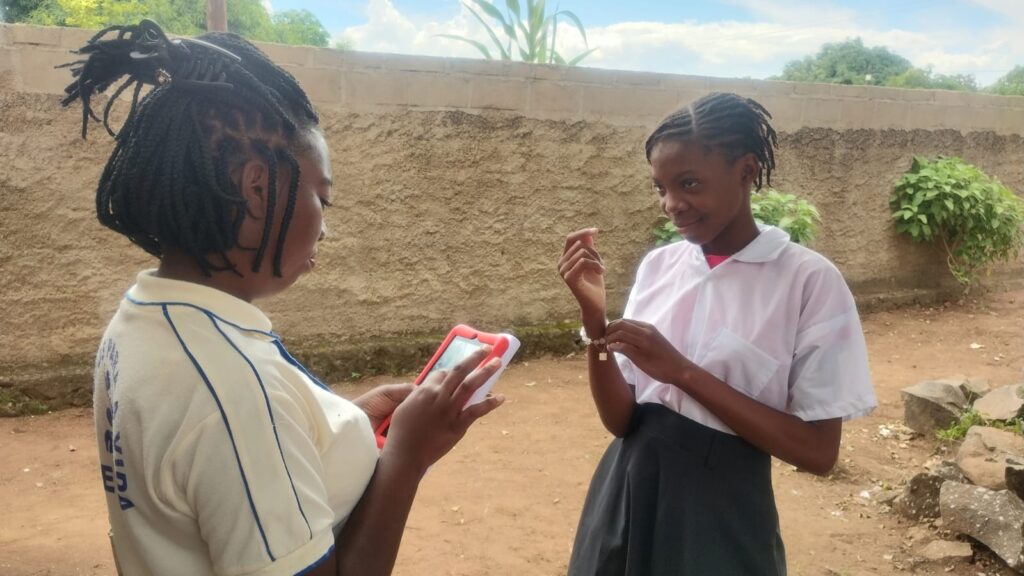
At the beginning of the year, our facilitators initiate a baseline survey with a selection of students to assess current health knowledge before the course begins. This is essential so we can assess the impact at the end of the year’s course.

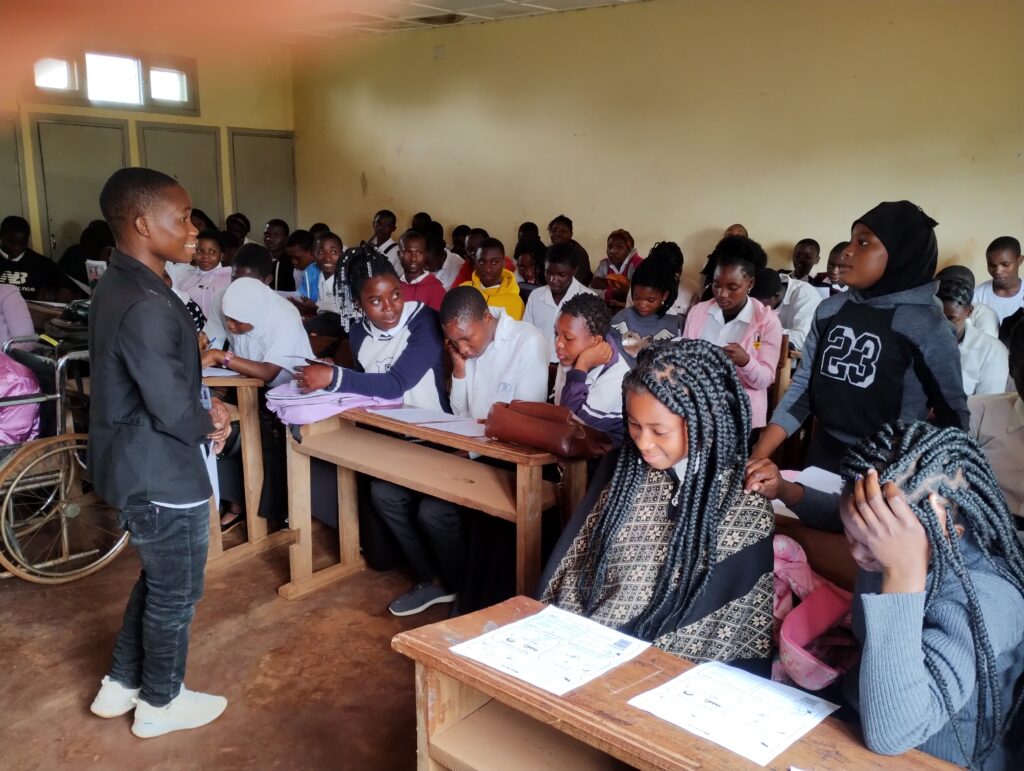
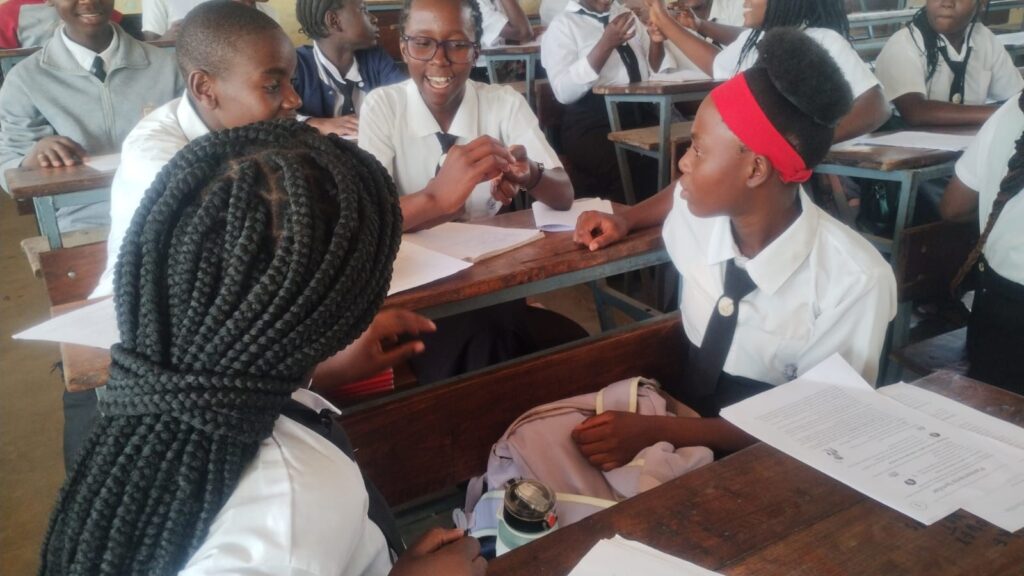
Our facilitators teach 40 in-depth, participatory studies on health issues, including malaria, diarrhoea, the reproductive system, family planning, STIs, cervical cancer, pregnancy, delivery and HIV. Most students in these classes are around 14-15 years old. Pregnancies among girls of this age are common. Sexually transmitted infections and HIV are also a significant problem. 

They are facilitated by recent school-leavers who engage the students in discussion both inside and outside the classroom.  The students are encouraged to teach their peers, relatives and neighbours.

The project operates in partnership with the School Health Services and the local Adolescent and Youth Health Services. Surveys have shown that Studies for Life is having a dramatic impact on the health of both students and their communities. A survey in March 2025 found that, among sexually active girls who’d participated in the studies the previous academic year, 95% were now using some method of contraception (compared with 38% previously). School directors report that the number of school-girl pregnancies has plummeted.

On average, every student teaches each topic to 9 other people. As students learn more about scientific understanding of disease, it makes them more active in preventing diseases, increasing people’s use of modern medicine and helping erode harmful traditional beliefs and myths. We hear more and more stories of students taking actions saving the lives of family members because of what they learned during the studies.

This low-cost high-impact community health education project costs about £5.50 per student.